
How a waterproof tackle case seals out spray and rain, what internal size you need for reels, terminal tackle and electronics, and how to cut foam so nothing shifts in a boat.
A waterproof tackle case is a hard case with a rubber gasket in the lid that compresses when the latches close, sealing out spray, rain and short dunks. Look for an IP67 rating, a pressure-equalization valve, lockable hasps, and foam you can cut to hold reels, terminal tackle and electronics without rattling.
What makes a waterproof tackle case actually waterproof?
Four things do the work, and a case needs all four. Miss one and water finds a way in.
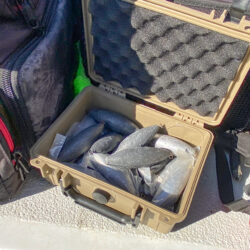
- A gasket that seats evenly. A rubber gasket runs around the rim. When the latches close, it squeezes against the lid and makes the seal. This is why a stray leader, a hook, or a smear of sand on the gasket is the most common cause of a “leaky” case.
- An IP67 rating. IP67 means dust-tight and sealed against temporary immersion. In fishing terms: spray over the bow, rain all afternoon, a wave into the cockpit, or a case that slides off the gunwale and gets fished back out. It is not a rating for long-term submersion.
- A pressure-equalization valve. A sealed case that warms up on a hot deck, or moves from a mountain lake down to sea level, builds a pressure difference. The valve vents air both ways without letting water in, so the lid opens normally instead of fighting you.
- A body that does not flex. Polypropylene shells with ABS latches keep their shape under weight. If the shell flexes badly, the gasket line opens up and the seal stops mattering.
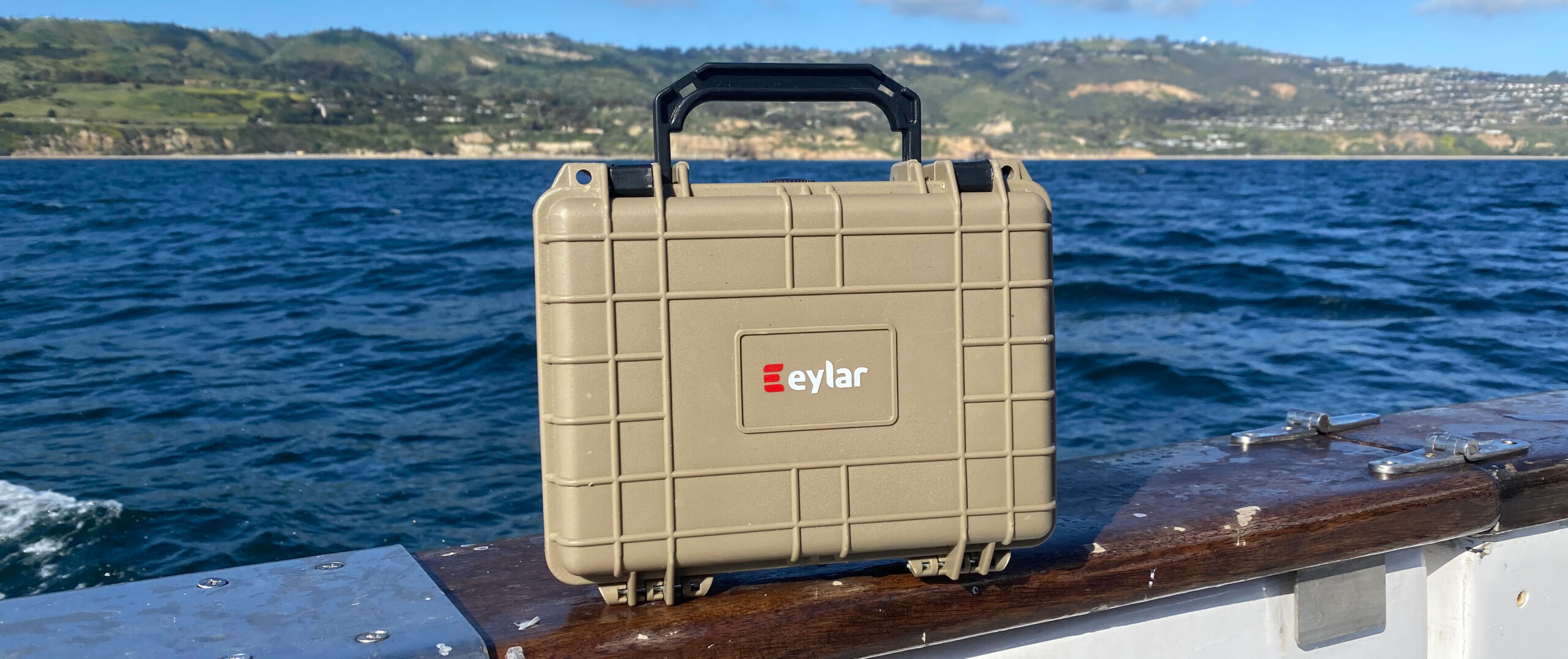
Eylar® hard cases are built around that combination, though you should confirm the sealed spec on the model you are buying. The 10.62″ Small Deep Gear & Camera Hard Case, for example, is IP67 waterproof and dustproof, with a rubber gasket around the rim, a pressure-equalization valve, and two padlock-adaptable hasps.
What size waterproof tackle case do you need?
Measure your biggest single item first, then add a half inch in each direction for foam walls. Internal depth is the number anglers get wrong most often: a spinning reel or a stack of tackle trays needs height, not floor space.
| What you’re packing | Internal size to look for | Eylar case that matches |
|---|---|---|
| Terminal tackle, leader spools, pliers, phone, keys, wallet | 9.49″ x 7.52″ x 4.25″ | Intact Premium Series 11.8″ Compact (3.3 lb, 2 TSA-compliant locking hasps) |
| Reels, big spools, a compact camera, a handheld GPS | 9.17″ x 7″ x 6.12″ | 10.62″ Small Deep Gear & Camera Case (3.17 lb, IP67) |
| Whole kit for the boat: trays, reels, electronics, cables, wet gear on the way home | 28.34″ x 20.47″ x 11.02″ | XXL 31.5″ Protective Gear Roller Case (IP67, wheels) |
| Two-piece and travel rods, gaffs, long gear | 51.57″ x 13.19″ x 4.92″ | 54″ Stacker Series Hard Roller Case (15 lb, four foam layers, wheels) |
One caveat on that last row: the 54″ Stacker is a long-gear case with a reinforced polypropylene shell, wheels and a stackable design, and no IP rating is listed for it. Use it for dry transport of rods and long items, and stay with the IP67-rated models above when you need a sealed case.
Two cases usually beat one. Keep a small case in the boat or the truck for the things that must stay dry, and a big one for the rest. The Intact Premium Series 11.8″ compact case at 3.3 lb is easy to hand down to someone on the dock; the XXL 31.5″ roller case is 39 lb empty, so plan to roll it rather than carry it.
How should you lay out the foam for tackle and reels?
Standard Eylar cases ship with three foam layers: an egg-crate liner in the lid, a pick-and-pluck middle layer you customize, and a solid bottom pad. That stack covers most fishing layouts.
- Lay the gear on the closed foam first. Arrange everything on top of the pick-and-pluck layer the way you want it to sit. Heaviest items low and centered, near the hinge side.
- Leave one cube between items. A single uncut column of foam between a reel and a box of jigs keeps them from grinding together on a rough run.
- Trace, then pluck. Mark the outline with a pen, then pull the cubes inside it. Pull slowly and straight up so the walls stay square.
- Pluck to the right depth. Stop when the item sits about a quarter inch proud of the foam. The lid’s egg-crate layer presses down on it and takes out the last bit of movement.
- Cut a tray pocket, not hook pockets. Loose hooks and jigs chew up foam. Keep them in a small plastic tray and cut one rectangular pocket for the tray itself.
If you want clean, cut-to-shape pockets instead of pluck cubes, a solid pad works better. The 12″ x 9″ solid XLPE foam pad comes blank in 1″ or 2″ thickness at 2 lb density and can be cut around a specific reel or unit; a 15″ x 10.5″ version covers slightly larger cases. XLPE is crosslinked polyethylene, a closed-cell material, so it does not soak up water the way open-cell foam does. If you are replacing foam in a case you already own, the guide to measuring a case for replacement foam gets the internal dimensions right the first time.
For gear you reconfigure between trips — one layout for inshore, another for offshore — RAGAR reusable foam inserts use blocks that lift out and go back in, so the same case can change jobs without cutting new foam every season.
Can you store wet gear and bait in a hard case?
Yes, and it is one of the most useful things a sealed case does. A waterproof seal keeps water out, and it also keeps water in. Wet waders, a soaked rain jacket, a dripping landing net and salty gloves can ride home in an empty case instead of soaking the back of the truck.

Two rules make this work:
- Take the foam out first. Foam plus saltwater plus a hot vehicle equals a smell you will not get out easily. Store the foam layers at home and use the case as a bare tub for wet gear.
- Open it the same day. A sealed case with wet gear inside is a closed, warm, damp box. Empty it, rinse it and leave the lid open to dry.
Bait is the same idea with a stricter time limit. A sealed case contains the mess and the smell in transit, but do not leave it closed overnight.
How do you keep the case sealing season after season?
Salt does more damage to cases than impact does. Five minutes of care after each trip beats any spec on the box.
- Rinse the outside with fresh water after every saltwater trip, latches included.
- Wipe the gasket with a clean, damp cloth. Run a finger all the way around to feel for sand, salt crystals or a bit of line stuck in the channel.
- Check that the gasket sits in its groove. If a section has lifted, press it back down before you latch the lid.
- Work the latches. Rinse them, then open and close them a few times so salt does not dry inside the mechanism.
- Store it open or loosely latched at home. Leaving a gasket compressed for months takes some of the spring out of it.
- Do not block the pressure valve. Keep tape, stickers and stacked gear off it.
- Test before the season. Latch the empty case, hold it under water in a tub for a minute, and look for beading inside. Better to find a problem in the driveway than offshore.
What goes in the case and what stays out?
A sealed case is worth using on the things that end your day when they get wet. Everything else can live in a bag.
- Always inside: phone, keys, wallet, fishing license and permits, camera, handheld GPS or VHF, spare batteries, fish scale, headlamp, medication.
- Worth protecting: reels between trips, expensive lures and jig heads, leader spools, hooks and anything steel that rusts on contact with salt air.
- Leave out: anything already soaking wet that you plan to store long term, and loose hooks without a tray.
The 10.62″ case’s two padlock-adaptable hasps also let you lock it when it stays in a truck bed or a rental boat. The 11.8″ compact model has two TSA-compliant locking hasps, so it can go as checked baggage on a destination trip — packed closed and locked, with electronics padded in foam inside.
FAQ
Is an IP67 tackle case safe if it falls overboard?
IP67 covers dust and temporary immersion, so a case that goes over the side and is recovered quickly should keep its contents dry. It is not a flotation device, and it is not rated for long or deep submersion. A heavily loaded case will sink, so tether or clip anything you cannot afford to lose.
Do I need the pressure-equalization valve for fishing?
It matters more than most anglers expect. A case sealed on a cool morning and left on a hot deck builds internal pressure; a case sealed at elevation and driven to the coast does the opposite. The valve lets air move in and out without letting water in, so the lid opens easily and the gasket is not stressed.
What size foam should I buy for a tackle case I already own?
Measure the internal length, width and depth of the case, not the outside. Then pick a pad that matches the floor area and a thickness that leaves your gear sitting slightly above the foam so the lid liner presses down on it. Solid XLPE pads come in 1″ and 2″ thicknesses and are meant to be cut to shape around your specific reels and boxes.
Wondering how much water a hard case can actually take? Our waterproof gun case guide explains the IP67 rating, the gasket and the pressure valve in plain terms.
